
 USA
USA

 Turkey



What is Global Marketing?
The rapid growth of e-commerce and e-export sectors during the pandemic increased the number of businesses selling their products and services both domestically and internationally. Many brands are now expanding beyond the local market and appearing on the global stage. At this point, the most effective method brands use to promote their products and increase sales is global marketing.
Every brand that wants to develop a global marketing strategy must first understand this concept in depth in order to compete with its global rivals. In this article, we will examine all the details of global marketing, from its advantages to the things to consider when developing a strategy and its disadvantages.
What is Global Marketing?
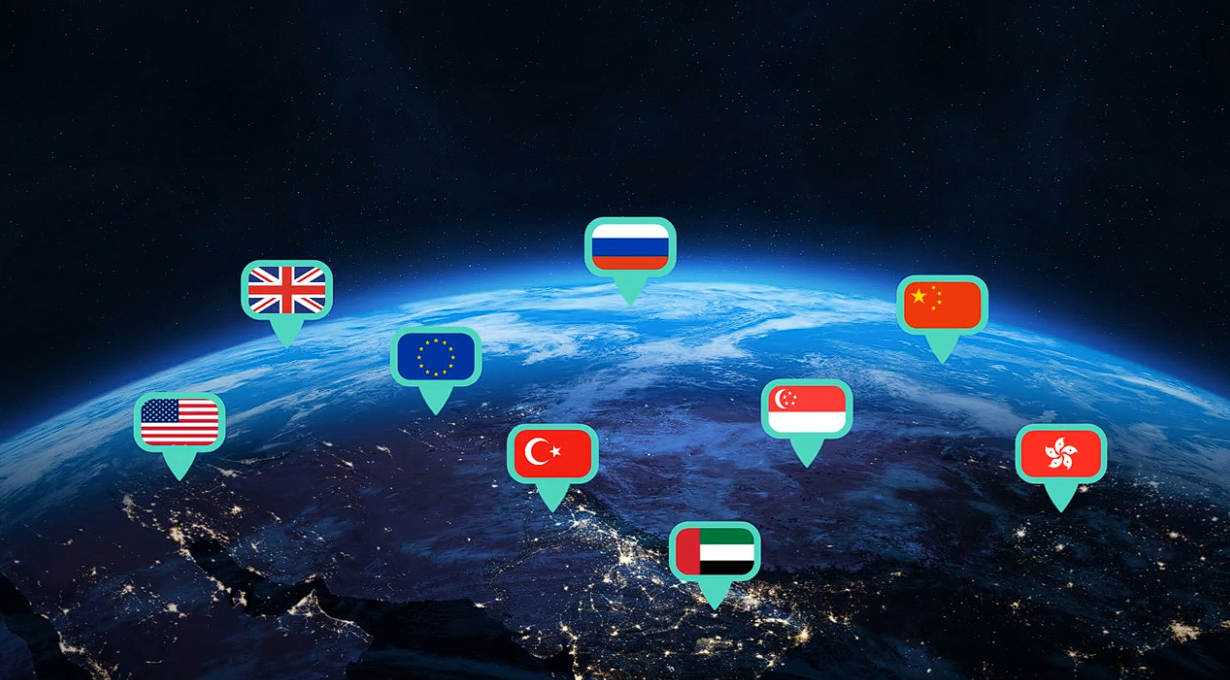
Global marketing is the name given to the entire process of planning, placement, promotion, localization, and production that brands operating in the international market undertake to sell their products and services worldwide.
Thanks to this strategy, brands can more easily position their products in the global market, enter the competition with their rivals faster, and seize the opportunity to increase their sales. In short, a global marketing strategy is the most powerful tool that allows your brand to reach your target audience beyond borders.
Why is Global Marketing Important?
Global marketing, vital in international trade, allows you to reach wider audiences with your high-demand products while offering businesses the following advantages:
It enables you to benefit from the broad market advantages brought by globalization.
It increases sales volume and allows you to generate foreign exchange revenue by reaching customers in different countries.
It improves your market analysis skills; it allows you to closely understand the countries you operate in and consumer habits.
It helps you determine the right pricing strategies.
It increases your competitiveness by taking your brand to a global level.
It contributes to the faster and more sustainable growth of businesses.
It increases your brand value with products that provide solutions to specific problems in target countries.
Situations Where Global Marketing Can Be Disadvantaged
Global marketing is not always a rosy process. If not managed correctly, it can bring some disadvantages:
It requires a significant budget; If sufficient funding cannot be secured, the strategy may fail.
Competition in the global market is much more intense and requires continuous work.
Not every strategy may work in every culture; a poorly designed campaign can harm the brand.
Identifying the unique vulnerabilities and risks of each market is a challenging process.
Things to Consider in Global Marketing
Businesses that want to position their brand in the global market need to pay attention to the following critical points when developing a strategy:
Cultural Adaptation: Market your products and services in a way that is appropriate to the religion, language, and culture of the target country. Remember that a single solution will not work everywhere.
Unique Strategies: Each country has different ethnic structures and consumer habits. Conduct unique marketing efforts accordingly.
Pricing Policy: Determine "customer-friendly" and competitive pricing strategies according to the economic conditions and purchasing power of the countries.
Localization: Offer multiple language and currency options on your site. Improve user experience with country-specific localizations.
Logistics and Operations: Each country has different logistics processes. Plan your operational processes flawlessly for customer satisfaction.
Communication Language: When crafting your messages, use the language and cultural codes of your target audience. Avoid statements that could lead to misunderstandings.
Digital Habits: Analyze internet usage habits in your target market and shape your digital marketing strategy accordingly.
Business Partnerships: Don't hesitate to work with business partners who know the local market; this will accelerate your growth.
Open Up to Global Markets with E-Export
The growth of the e-export sector has made it easier than ever for brands to open up to global markets. Brands that open their own e-commerce site and carry out localization efforts have the opportunity to sell their products all over the world.
The key to success in this process is professionalism. Brands that act professionally at every stage, from market research to logistics, from payment systems to customer service, can reach their global target audience much faster and more effectively.